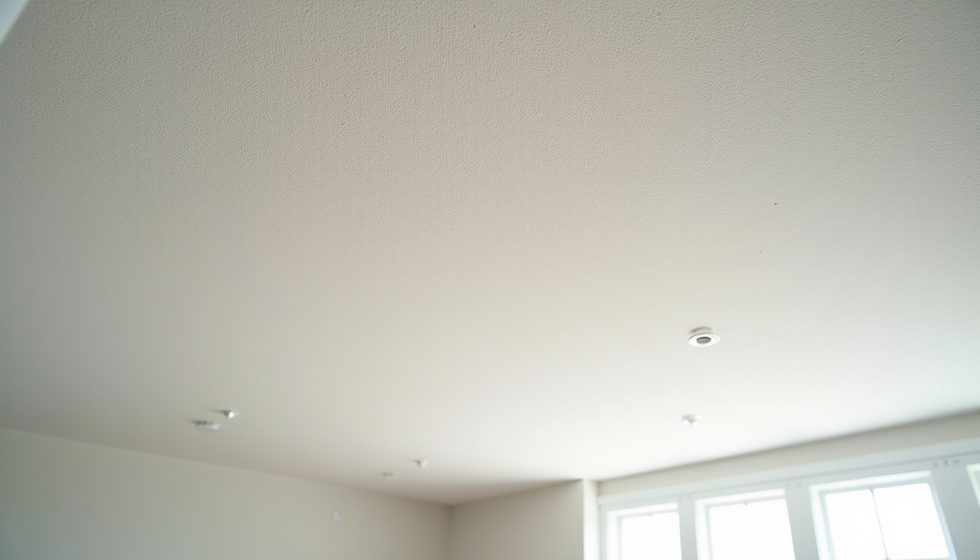
Understanding Popcorn Ceiling Removal Pricing
- Renovated-Home
- Apr 6
- 4 min read
Popcorn ceilings, once a popular design choice, have become outdated and less desirable in modern homes. Many homeowners want to update their interiors by removing these textured ceilings to achieve a smooth, contemporary look. However, understanding the costs involved in popcorn ceiling removal is essential before starting the project. In this post, I will walk you through the key factors that influence popcorn ceiling removal pricing, helping you make informed decisions for your home renovation.
What Influences Popcorn Ceiling Removal Pricing?
Popcorn ceiling removal pricing depends on several factors that can affect the overall cost. Knowing these will help you budget accurately and avoid surprises.
Size of the Area: The larger the ceiling area, the higher the cost. Removal is usually priced per square foot.
Ceiling Height: Higher ceilings require more equipment and labor, increasing the price.
Condition of the Ceiling: If the popcorn texture contains asbestos (common in homes built before the 1980s), specialized removal is necessary, which is more expensive.
Preparation and Cleanup: Protecting furniture, covering floors, and cleaning up debris add to the labor costs.
Repair Work: After removal, ceilings often need patching, sanding, and repainting, which can increase the total price.
Location: Prices vary by region and local labor rates.
Understanding these factors will help you anticipate the total investment required for your popcorn ceiling removal project.

Typical Popcorn Ceiling Removal Pricing in Toronto
In Toronto, popcorn ceiling removal pricing generally ranges between $4.50 and $6.50 per square foot. This range includes the scraping of the popcorn texture and basic cleanup. However, additional services such as repairing damaged drywall, priming, and painting will increase the cost.
For example, a 500-square-foot ceiling might cost between $2,150 and $3,050 for removal alone. If you add repairs and painting, the total could rise to $3,500 or more.
When budgeting, it is important to consider the full scope of work, not just the removal. Some contractors offer package deals that include removal, repair, and painting, which can be more cost-effective.
If you want to get a precise estimate, you can check how much to remove popcorn ceiling for your specific area and project size.
Are Popcorn Ceilings Worth Removing?
Deciding whether to remove popcorn ceilings depends on several factors, including aesthetics, health concerns, and home value.
Aesthetic Appeal: Popcorn ceilings are often seen as outdated and can make rooms look older. Removing them creates a clean, modern look that appeals to many buyers.
Health Concerns: Older popcorn ceilings may contain asbestos, which poses health risks if disturbed improperly. Professional removal is essential in these cases.
Home Value: Smooth ceilings can increase your home's market value and attract more buyers if you plan to sell.
Maintenance: Popcorn ceilings tend to collect dust and cobwebs, making them harder to clean.
If your ceiling is in good condition and you like the texture, removal might not be necessary. However, for most homeowners looking to modernize their interiors, removal is a worthwhile investment.

Step-by-Step Process of Popcorn Ceiling Removal
Understanding the removal process can help you prepare your home and set realistic expectations.
Inspection and Testing: Check if the ceiling contains asbestos. If so, hire a certified professional for removal.
Preparation: Remove furniture or cover it with plastic sheets. Protect floors and walls.
Wet the Ceiling: Lightly spray water to soften the popcorn texture, making it easier to scrape off.
Scraping: Use a wide putty knife or scraper to remove the popcorn material carefully.
Repair and Sanding: Patch any damaged areas and sand the ceiling smooth.
Priming and Painting: Apply primer and paint to finish the ceiling with a fresh, clean look.
Cleanup: Remove all protective coverings and dispose of debris properly.
Each step requires time and care to ensure a quality finish. Rushing the process can lead to damage or uneven surfaces.
Tips to Save on Popcorn Ceiling Removal Costs
Removing popcorn ceilings can be costly, but there are ways to manage expenses without sacrificing quality.
DIY Removal: If your ceiling does not contain asbestos and you are comfortable with home improvement tasks, you can remove the popcorn texture yourself. This saves labor costs but requires time and effort.
Get Multiple Quotes: Contact several contractors to compare prices and services.
Bundle Services: Some companies offer discounts if you combine removal with painting or drywall repair.
Limit the Area: Consider removing popcorn ceilings only in main living areas rather than the entire home.
Prepare the Space: Clear rooms and protect furniture yourself to reduce labor time.
By planning carefully and exploring options, you can keep your popcorn ceiling removal pricing within your budget.
Final Thoughts on Popcorn Ceiling Removal Pricing
Removing popcorn ceilings is a popular way to update and modernize your home. Understanding the factors that influence popcorn ceiling removal pricing helps you plan your renovation effectively. Whether you choose professional removal or a DIY approach, knowing what to expect will make the process smoother and more satisfying.
If you want to explore your options and get a detailed estimate, consider checking how much to remove popcorn ceiling to find the best solution for your home.
Taking the time to remove popcorn ceilings can significantly enhance your living space, increase your home's value, and provide a fresh, clean look that lasts for years.